Ditch Installation in Atlanta, GA
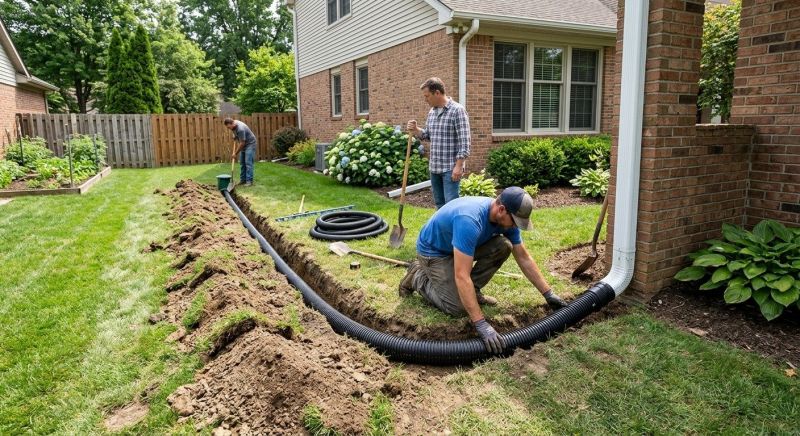
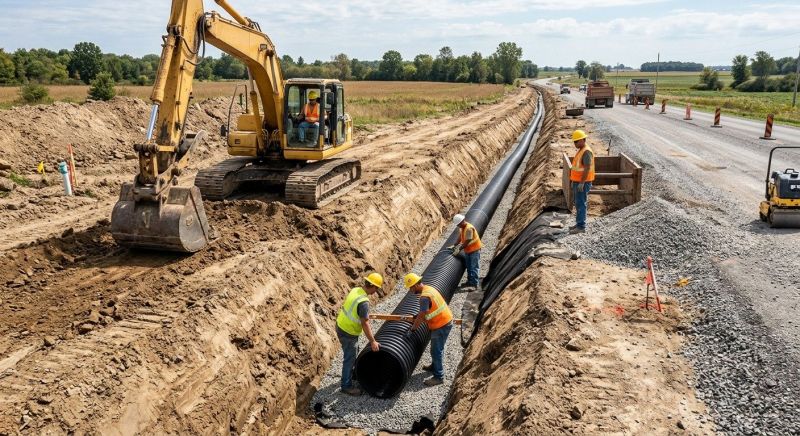
Ditch installation services involve creating a designated channel or trench in the ground to manage water flow, drainage, or underground utilities on residential properties. These projects are commonly requested for improving yard drainage, redirecting stormwater away from foundations, or installing underground pipes for irrigation or utility lines. Property owners typically seek information about the scope of the trenching, the materials used, and how the work will impact landscaping or existing structures before requesting a service.
Homeowners should consider factors such as the size and depth of the ditch, the purpose of the installation, and any permits or regulations that may apply in their area. Understanding the property's terrain, soil type, and potential obstacles can help in planning the project effectively. Clear communication about these details can ensure the installation meets the specific drainage or utility needs, resulting in a functional and durable solution for the property.
Many property owners in Atlanta, GA look into Ditch Installation for repairs, replacements, upgrades, and appearance-related improvements.
Types Of Ditches
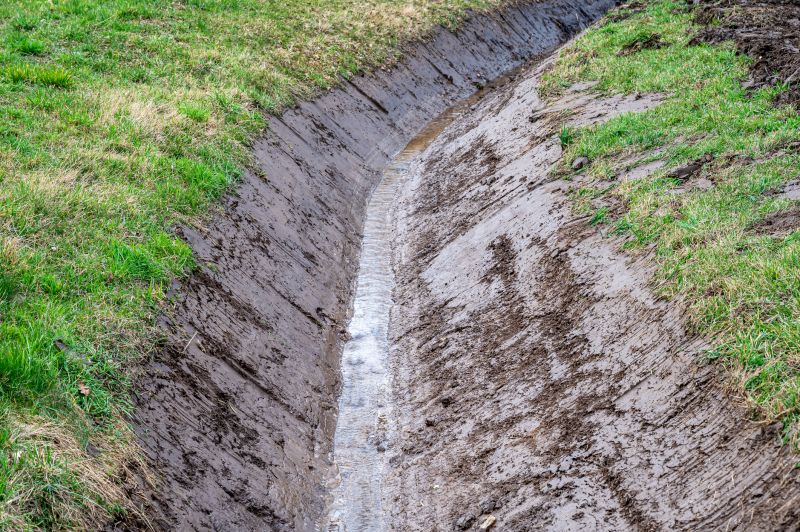
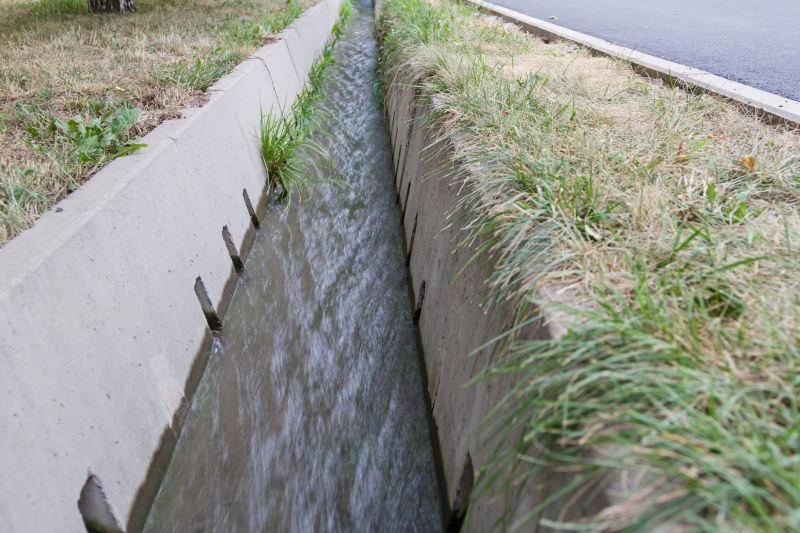
Different ditch styles are suited for drainage, irrigation, and property grading needs.
Common Applications
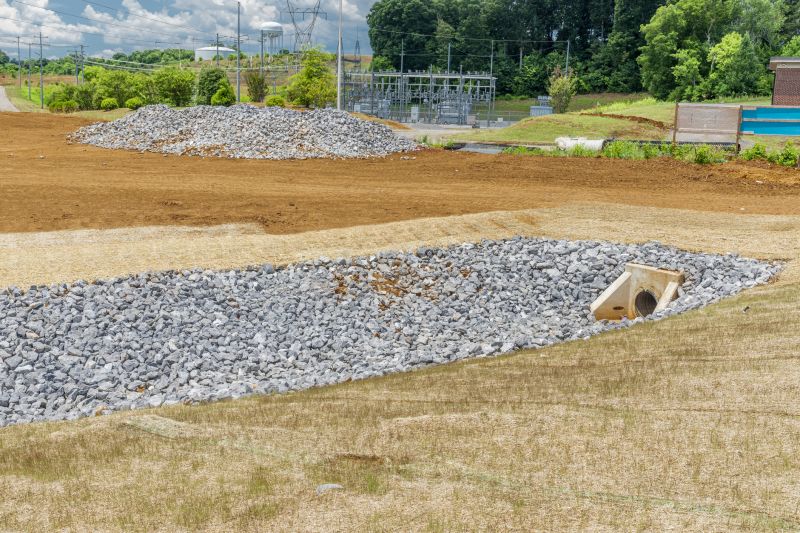
Ditch installation can help manage water flow around homes and commercial properties in atlanta.
Installation Considerations
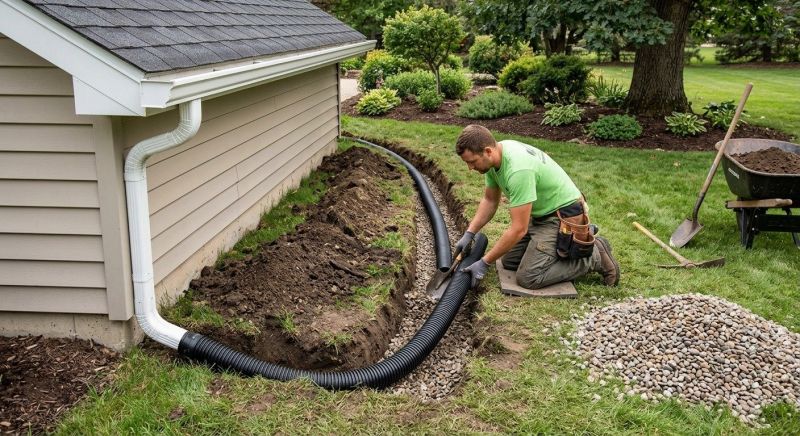
Proper planning ensures the ditch effectively directs water and prevents erosion on your property.
Ditch Installation in Atlanta, GA

Ditch installation services involve creating a designated channel or trench in the ground to manage water flow, drainage, or underground utilities on residential properties. These projects are commonly requested for improving yard drainage, redirecting stormwater away from foundations, or installing underground pipes for irrigation or utility lines. Property owners typically seek information about the scope of the trenching, the materials used, and how the work will impact landscaping or existing structures before requesting a service.
Homeowners should consider factors such as the size and depth of the ditch, the purpose of the installation, and any permits or regulations that may apply in their area. Understanding the property's terrain, soil type, and potential obstacles can help in planning the project effectively. Clear communication about these details can ensure the installation meets the specific drainage or utility needs, resulting in a functional and durable solution for the property.
Many property owners in Atlanta, GA look into Ditch Installation for repairs, replacements, upgrades, and appearance-related improvements.
Common Ditch Installation Jobs
Ditch Installation - Installing new drainage ditches to improve water flow around properties.
French Drains - Creating underground drainage systems to prevent basement flooding and manage excess water.
Swale Construction - Shaping land to direct stormwater runoff away from foundations and landscaped areas.
Channel Installation - Installing channels to control surface water and reduce erosion on sloped properties.
Drainage Grading - Adjusting land contours to enhance proper water runoff and prevent pooling.
Drainage System Repairs - Fixing or replacing existing ditches and channels to restore effective water management.
Ditch Installation Questions
What is a ditch installation? Ditch installation involves creating a trench to manage water flow, improve drainage, or install utilities on a property.
What types of projects require ditch installation? Projects such as landscaping, drainage improvement, or utility line placement often need ditch installation services.
How deep are typical ditches? Ditches can vary in depth depending on their purpose, usually ranging from a few inches to several feet deep.
What materials are used for ditch construction? Common materials include soil, gravel, and sometimes concrete or plastic piping for drainage systems.
Request Ditch Installation in Atlanta, GA
Use the quote form on this page to share the basics of your project and request more information for the type of work you need.